
Perinatal & Postpartum Support
You are not alone.
You are not to blame. With help, you will be well.
(–Postpartum
Support International)
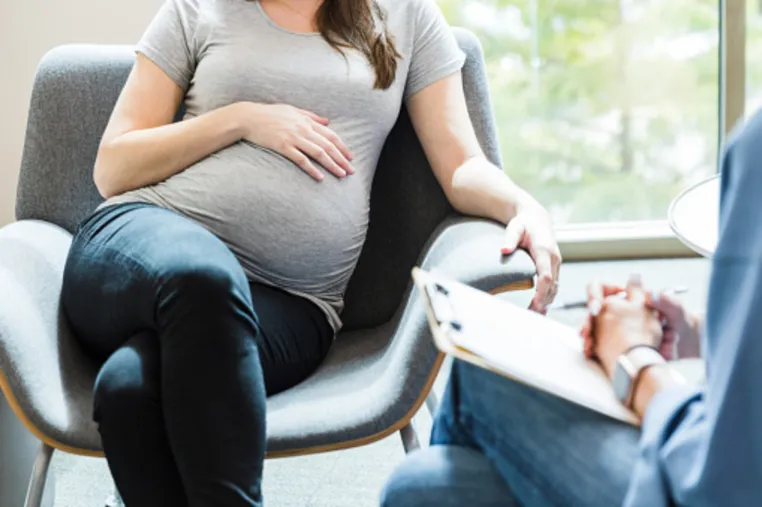
Welcoming a new baby can bring joy and love. It can also bring exhaustion, overwhelm, and emotional pain. If you're feeling anxious, sad, detached, or just not like yourself, you’re not failing. You're human. And you’re not alone.
According to Postpartum Support International, up to 1 in 5 women and 1 in 10 partners experience perinatal mood and anxiety disorders (PMADs), including depression, anxiety, OCD, PTSD, and more. These struggles are common, temporary, and treatable. With the right support, you can feel better.
This season of life brings huge transitions.
Whether you're navigating fertility challenges, pregnancy, birth, postpartum recovery, or the shifting dynamics in your relationships, treatment is available. Experiences around fertility, pregnancy, birth and new parenting can stir up a wide range of emotions including: grief, fear, anger, guilt, or even numbness. You might be asking yourself: Why am I not enjoying this? Will I ever feel like myself again?
Whether you’re seeking support for yourself, your partner, or your relationship, therapy can be a lifeline. You don’t have to go through this alone—and you don’t have to wait until things feel unbearable to reach out.
This work isn’t about fixing you. You are not broken. It’s about supporting your healing, honoring your experience, and helping you find your way through.
We support clients with:
- Postpartum depression & anxiety
- Pregnancy-related anxiety or panic
- Birth trauma or NICU experiences
- Perinatal OCD or intrusive thoughts
- Grief and loss (miscarriage, infertility, abortion)
- Identity shifts in new parenthood
- Relationship stress or disconnection
Whether you’re seeking support for yourself, your partner, or your relationship, therapy can be a lifeline. You don’t have to go through this alone—and you don’t have to wait until things feel unbearable to reach out.
This work isn’t about fixing you—because you’re not broken. It’s about supporting your healing, honoring your experience, and helping you find your way through.